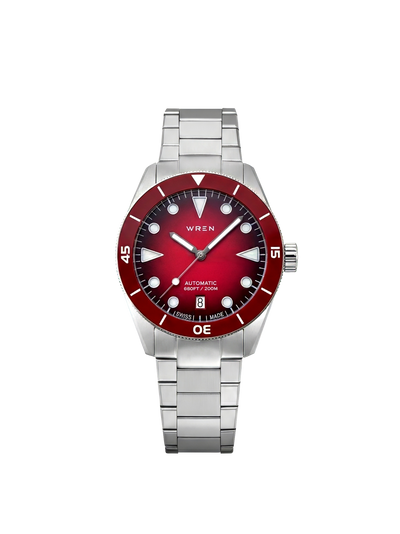
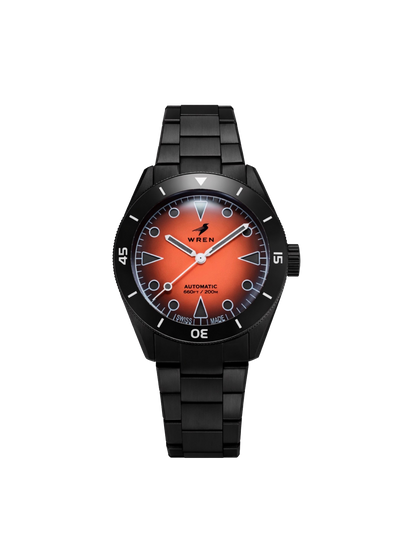
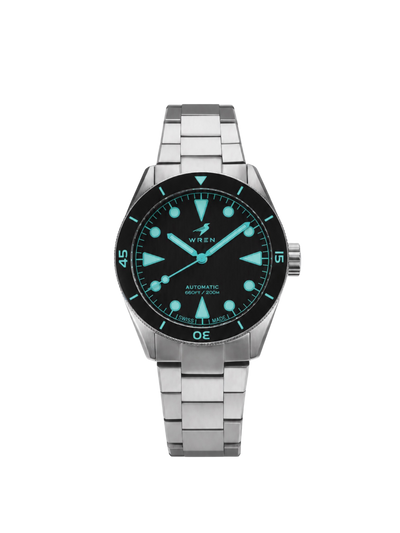
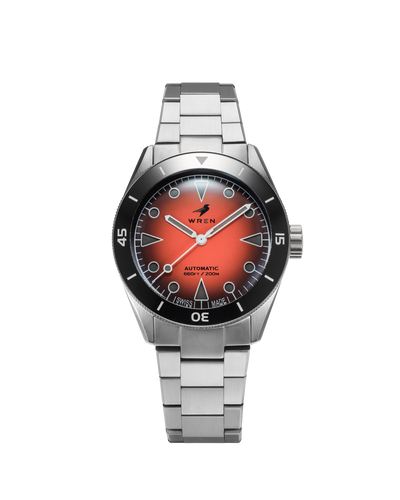
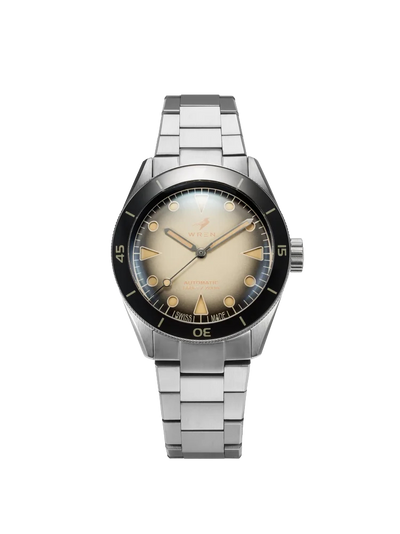
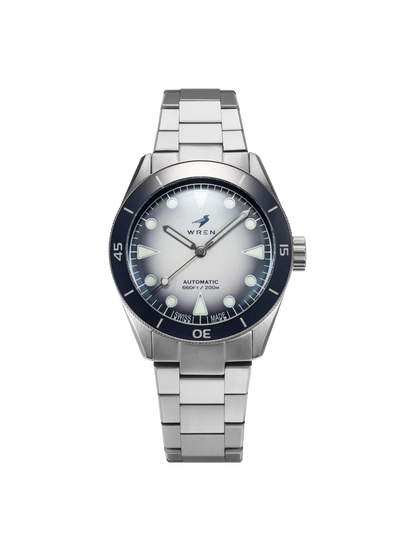
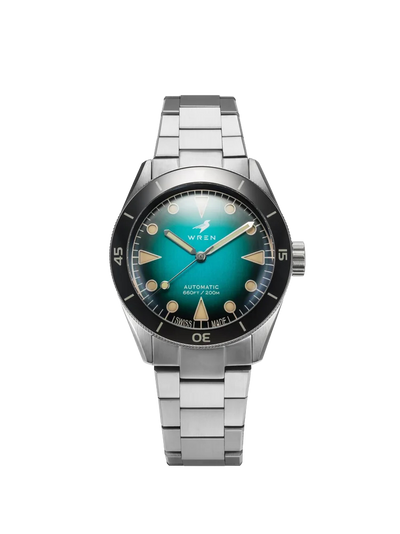

Rolex made 904L famous and then stopped saying the number. Here is what it actually is, what it is not, and why we used it on one watch and not the others.
904L and 316L are both stainless steels, and the difference between them is corrosion resistance, not hardness. 904L carries more nickel, more chromium and roughly twice the molybdenum of 316L, which lets it shrug off salt water, sweat and acids that would eventually pit 316L, and it takes a slightly whiter, brighter polish. It is also harder to machine and more expensive to buy, which is why almost every watch in the world is 316L and why the brands that use 904L make a point of saying so. Neither one scratches less than the other. If scratch resistance is what you want, the answer is a coating or a different material, not a different grade of steel.

What the numbers mean
The numbers are grades in the American steel naming system, and the L on the end means low carbon, which keeps the steel from corroding at the welds. 316L is the standard marine-grade stainless: about 17 percent chromium, 11 percent nickel and 2 percent molybdenum, with the rest iron. It is in surgical tools, boat fittings and nearly every watch case made in the last fifty years. 904L is a super-austenitic stainless developed for chemical plants: about 20 percent chromium, 25 percent nickel, 4.5 percent molybdenum and a dose of copper. The extra nickel and molybdenum are what resist chloride attack, which is the technical name for what sea water and sweat do to steel over years.
Rolex adopted 904L for the Sea-Dweller in the 1980s and moved the whole catalog to it by the mid-2000s, then renamed it Oystersteel in 2018. That is the entire reason the number is famous. A few other brands use it, mostly at the top of their ranges. Everybody else uses 316L, and they are not wrong to.
What 904L actually buys you
Three things, in order of how much you will notice them.
Corrosion resistance is the real one. On the pitting resistance scale metallurgists use, 904L scores around 35 against about 25 for 316L. In practice a 316L bracelet that is never rinsed after the ocean will show tiny pits in the links after years; a 904L bracelet will not. For a watch worn daily, against skin, through summers, that is a difference you see at the ten-year mark rather than the first.
Polish is the one you see on day one. 904L has a tighter grain and more nickel, and it takes a brighter, slightly whiter mirror finish than 316L. Polished chamfers and bezels look crisper. Brushed surfaces look much the same.

Weight is the one people invent. 904L is denser than 316L by about one percent, which on a 150 gram watch is a gram and a half. You cannot feel it.
What it does not buy you
Hardness. This is the myth that will not die. Annealed 316L and 904L both sit around 150 to 200 on the Vickers scale, and a desk edge, a door frame or a set of keys will mark either one in exactly the same way. If a brand tells you its 904L case is more scratch resistant, it is confusing corrosion with hardness. The only ways to make steel resist scratches are to harden the surface, to coat it, or to leave steel behind for titanium, ceramic or a hardened alloy. A hard clear coating on 316L will outlast bare 904L at the ten-foot distance every time.
It also does not buy you a hypoallergenic watch. 904L has more nickel in it than 316L, not less. Both grades bind the nickel tightly enough that release onto skin is very low, which is why both are used in medical hardware, but someone with a true nickel sensitivity should be looking at titanium, not at a steel grade.
Why most brands use 316L
Because 904L is a pain. It work-hardens as you cut it, so tooling wears faster and feeds have to slow down, and the raw bar stock costs more to begin with. Case makers who have run 316L for decades have their processes dialed in for it. Moving a case to 904L means re-proving every operation, and the result is a watch that looks almost identical and costs more to make. For a dive watch with a coating or a brushed finish, the case for 904L is weak. For a polished integrated bracelet that is the whole design, it is stronger.
What we did at Wren
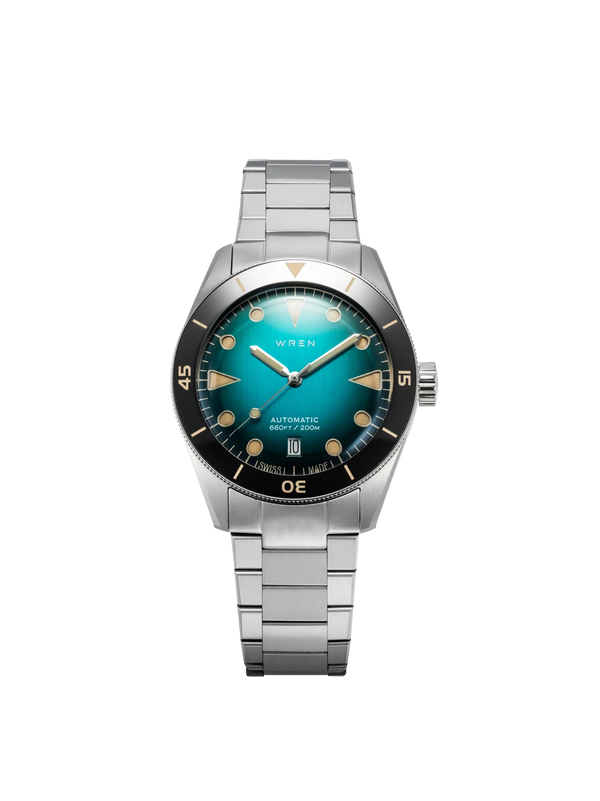
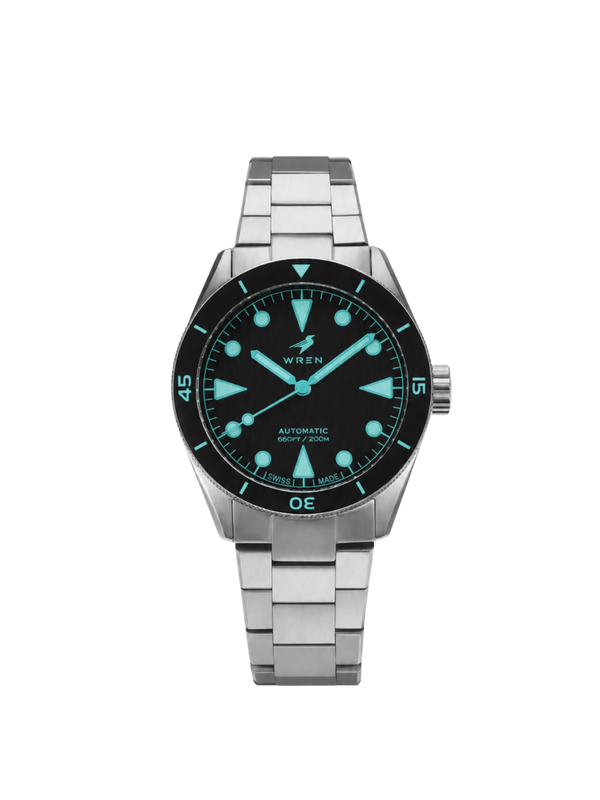
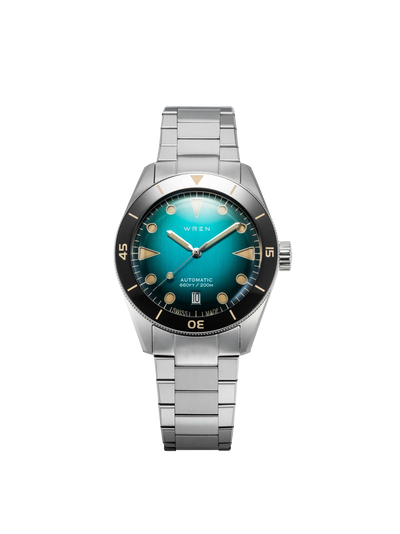
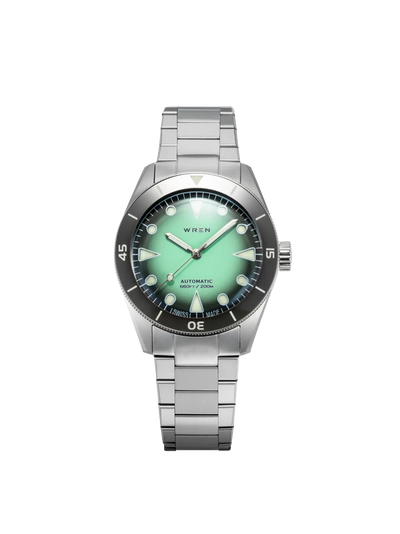
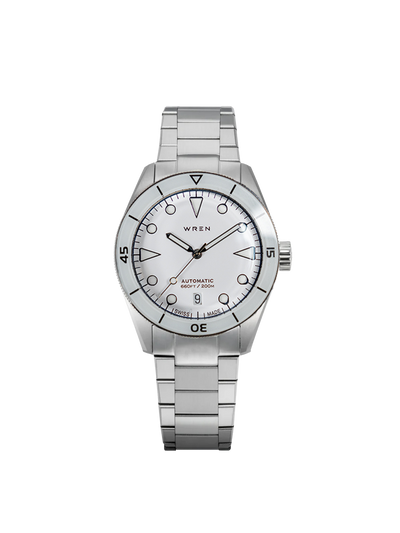
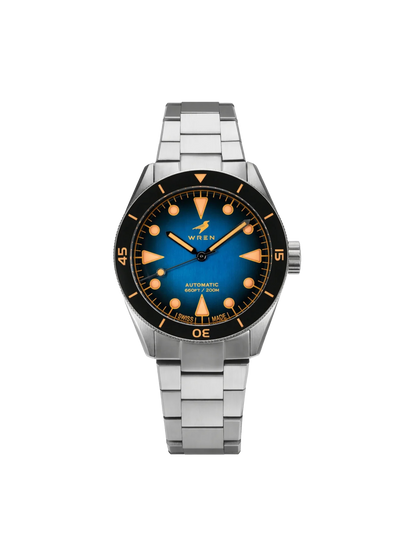
Every Wren gets the same clear DLC coat, which takes the surface from about 200 Vickers to about 800. That is what does the scratch work, on every model. What sits underneath the coat is where the steel grade comes in. The Diver One and Diver 38 are 316L. The Diver One Titanium is grade 5 titanium, coated the same way (we compared titanium and steel separately). For a dive watch, 316L is the right answer: it is more than corrosion resistant enough for a case that gets rinsed, the brushed finish would not show 904L's extra polish, and the coating is doing the job 904L cannot do anyway.

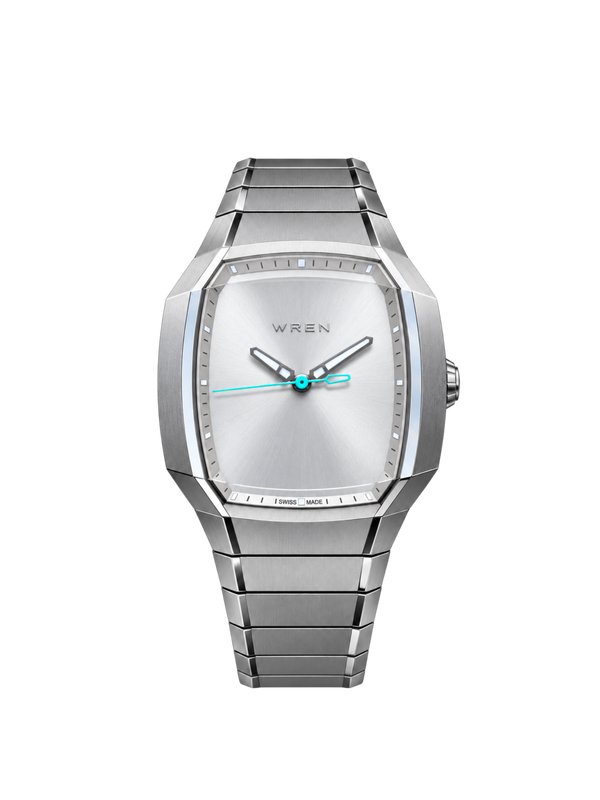
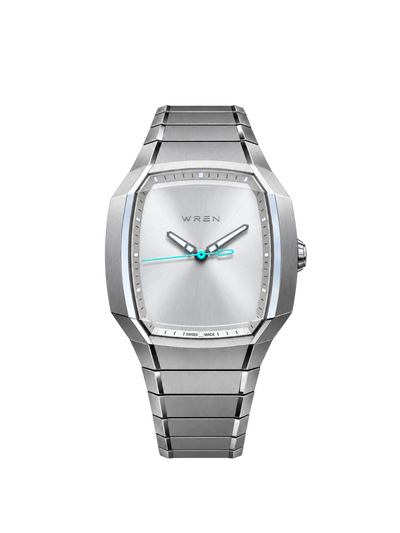
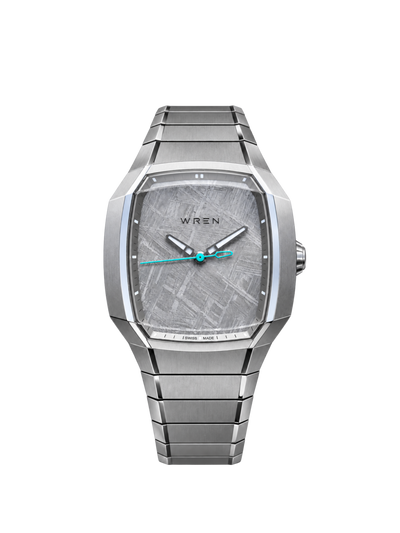
The Vessel is 904L under its coat, case and bracelet. It is an integrated-bracelet watch with polished chamfers running the length of the links, worn against the skin all day, so the two things 904L is actually good at, the polish and living against sweat without pitting, are the two things that matter most on it. The DLC still handles scratches; the 904L handles the finish and the decades. We paid for it in machining time and in a steel bar that costs more, and we would do it again, because on that watch you can see the difference and on a diver you cannot.

That is the honest version of the choice. 904L is a better steel for a polished bracelet. It is not a better steel for a tool watch, and it is not a scratch-proof one for anything.
Questions people ask
Is 904L steel better than 316L? For corrosion resistance and polish, yes. For hardness and scratch resistance, no, they are the same. For cost and ease of manufacturing, 316L wins.
Does 904L steel scratch? Yes, exactly as easily as 316L. Both are around 200 Vickers. Only a hardened surface, a coating or a harder material changes that.
What steel does Rolex use? 904L, which Rolex calls Oystersteel. They moved the catalog to it through the 2000s and trademarked the name in 2018.
Is 316L steel good for a watch? It is the standard for a reason. It resists sweat and sea water well, machines cleanly and polishes well enough that most people cannot tell it from 904L without the two side by side.
Which steel is better for a nickel allergy? Neither. Both grades contain nickel, and 904L contains more. Titanium is the answer.
What steel is a Wren made from? The Diver One and Diver 38 are 316L, the Diver One Titanium is grade 5 titanium, and the Vessel is 904L. All of them carry the same clear DLC coat.
Read next
Why watches scratch so easily, and why every Wren is coated · Titanium vs stainless steel watches · Watch thickness explained