
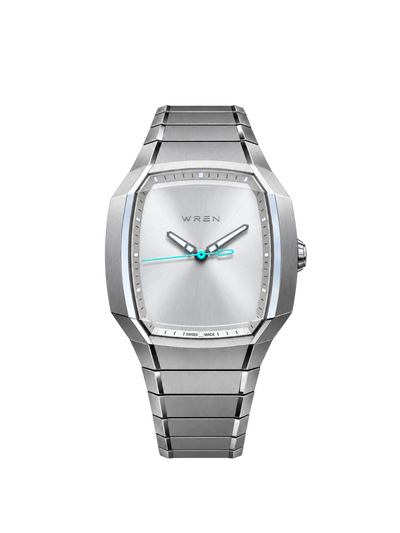
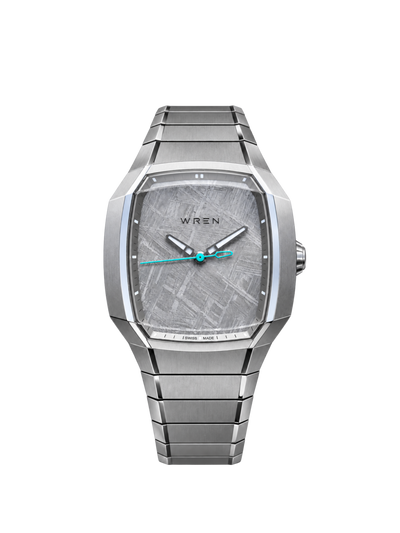
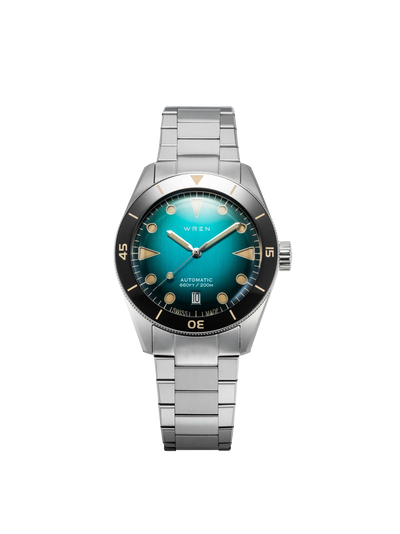
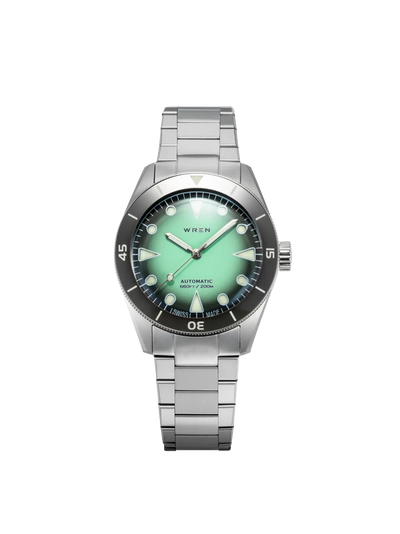

Case diameter is the number everyone quotes and the one that predicts least. Lug-to-lug is how far a watch actually reaches across your wrist, and it is the measurement that decides whether a watch fits. Here is how to read it, how to measure it, and the one rule of thumb worth remembering.
Ask someone what size watch they wear and they will say 40, or 38, or 42. That is the diameter: the width of the case across the dial, not counting the crown. It is printed on every spec sheet and it is the first thing buyers filter by. It is also the reason so many watches get returned. Two watches with the same diameter can wear completely differently, and the number that explains why is almost never the one people look at.
What lug-to-lug is
Lugs are the four horns that hold the strap or bracelet. Lug-to-lug is the straight-line distance from the tip of the top lugs to the tip of the bottom lugs, measured across the case. It is the watch's length, the way diameter is its width.
Your wrist is not round. The top of it is a fairly flat plane with a fall-off on either side. A watch sits on that flat plane, and lug-to-lug is the measurement that says whether the watch stays on it or hangs off the edges. Diameter tells you how big the dial will look. Lug-to-lug tells you whether the watch fits at all.
Which is why a 38mm watch and a 41mm watch can wear almost identically, and why two 41mm watches can be a comfortable fit and an obvious overhang. Diameter is what you see in the photo. Lug-to-lug is what you feel on the wrist.
The rule of thumb
Measure your wrist circumference in inches, multiply by 7.5, and treat the answer as a rough ceiling for lug-to-lug in millimeters.
A 6-inch wrist lands around 45mm. A 6.75-inch wrist, which happens to be the one all the photos on this site are shot on, lands around 50mm. A 7.5-inch wrist lands around 56mm. Below that number the watch sits inside the flat of the wrist. Within a couple of millimeters of it the lugs reach the edge, which many people like. A few millimeters past it and the lugs hang into air, the strap pulls at an angle, and the watch looks like it belongs to someone else.
It is a rule of thumb, not a law. Wrist shape matters as much as circumference, and a flat, wide wrist carries more length than a round one of the same measurement. But it gets you the right answer far more often than diameter does, and it takes ten seconds.
How to measure your wrist
Wrap a soft tape measure, or a strip of paper you then lay against a ruler, around your wrist just above the wrist bone, where the watch actually sits. Snug, not tight. Do it in the afternoon, since wrists are bigger later in the day than first thing in the morning. That is your circumference.
If you want to skip the formula, measure the flat part directly: lay a ruler across the top of your wrist, bone to bone, and read the width in millimeters. A watch with a lug-to-lug at or just under that width will fit.
How to measure a watch
If the spec sheet gives lug-to-lug, use it. If it only gives diameter, or you want to check a watch you own, calipers or a ruler across the back of the case work fine: measure from the outermost tip of one lug to the outermost tip of the opposite lug, not from the spring bars, which sit several millimeters inside the tips.
Some brands list "length" or "case length" instead. It usually means the same thing, but not always, because some measure to the spring bars. If a number looks suspiciously small for the diameter, that is probably why.
Four things that change how a lug-to-lug wears
Lug curve. Lugs that turn down toward the wrist effectively shorten the watch, because the tips follow the curve of your arm instead of pointing out into space. Flat lugs do the opposite. A 48mm watch with curved lugs can wear like a 46mm watch with straight ones.
Integrated bracelets. On a watch where the bracelet is part of the case design, the first link or two often do not articulate. They act as part of the case, and the real footprint is the case plus however much bracelet is rigid. The published lug-to-lug on an integrated watch regularly understates how it wears by five millimeters or more. Measure to the first link that moves freely.
Thickness. A thick watch wears bigger than its footprint because it sits high and catches light on the sides. A 41mm watch at 13mm thick and a 41mm watch at 10.5mm thick are different watches on the wrist even with the same lug-to-lug.
Case shape and dial size. Cushion and square cases fill more of their footprint than round ones, so they read larger at the same measurements. A thin bezel and a big dial opening do the same thing in the other direction, which is why some 38mm watches look like 40s.
Why it matters for a diver
Dive watches are the category where this goes wrong most often, because they tend to have long lugs and thick cases to make room for the rotating bezel and the water resistance. A 42mm diver can easily be 52mm lug-to-lug, and on a 6.5-inch wrist that is a watch perched on top of the arm rather than sitting on it. It is also why the small-diver category has grown so quickly: a 38mm diver at 45mm lug-to-lug fits wrists that a 42mm diver never will, with the same bezel, the same depth rating and the same legibility.
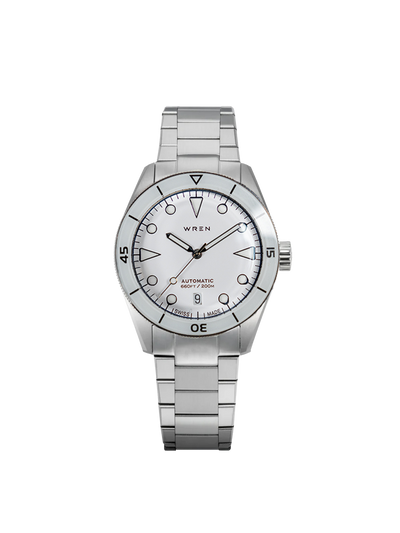
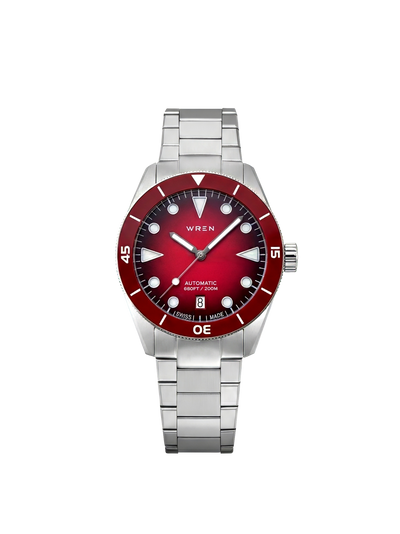
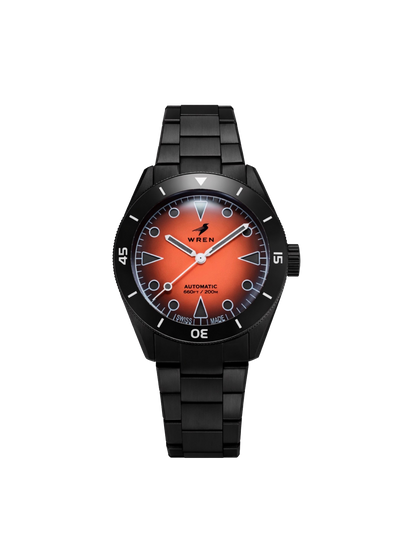
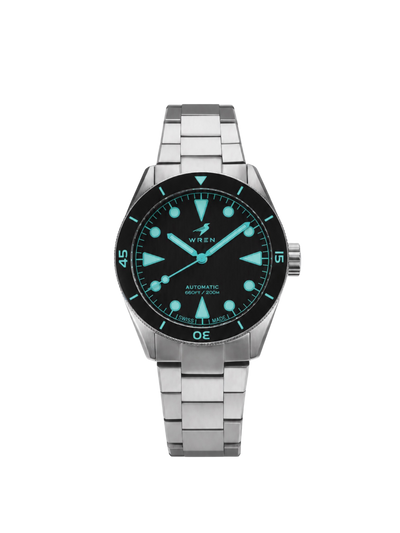
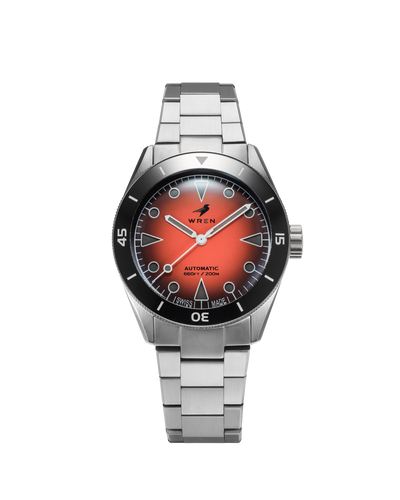
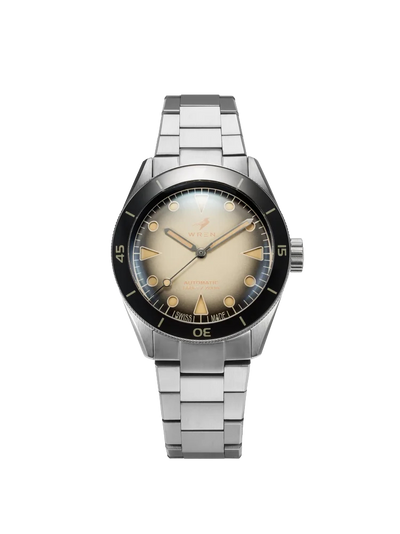
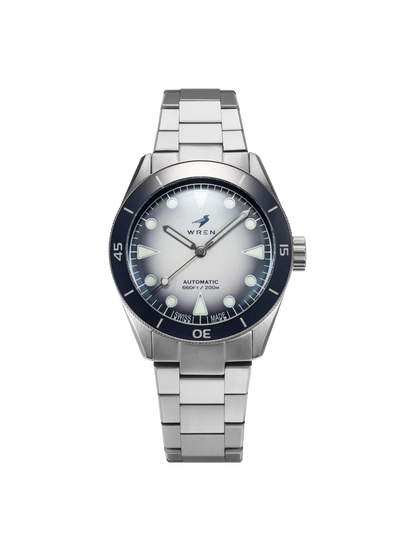
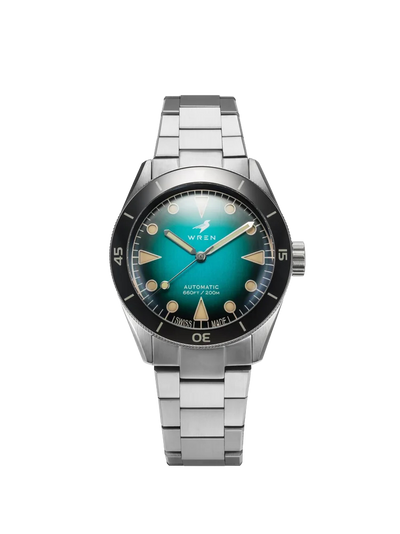
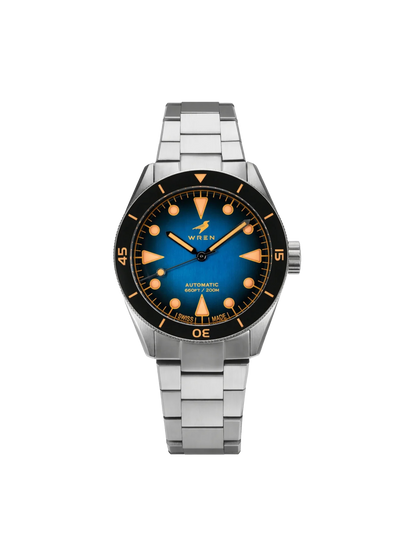
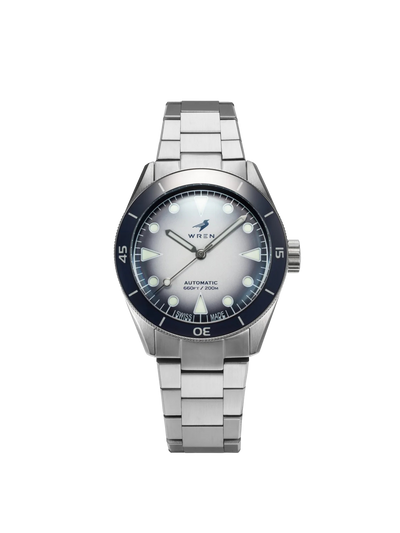
For reference, the two Wren case sizes are 38mm at 45mm lug-to-lug, and 41mm at 47mm lug-to-lug. Both were drawn with the lug-to-lug fixed first and the diameter following, which is the right order. The sizing page shows each one on four wrist sizes from 6 to 7.5 inches if you want to see the rule of thumb in practice rather than on paper. For a longer walk through the same subject, with a 41mm integrated sports watch and a 41mm diver compared side by side, read how to choose the right watch size on Wrist Enthusiast.
Questions people ask
What lug-to-lug fits a 6.5-inch wrist? Around 48mm and under is comfortable, 49 to 50 reaches the edges, and past about 51 the lugs start to overhang. Most 38 to 40mm watches land in the first band.
What lug-to-lug fits a 7-inch wrist? Up to about 52mm sits inside the wrist. Most 40 to 42mm watches fit, and well-designed 44mm watches with curved lugs can too.
Is lug-to-lug more important than diameter? For fit, yes. Diameter decides how much dial you see; lug-to-lug decides whether the watch sits on your wrist or over it. Buy by lug-to-lug first and diameter second.
How do I measure lug-to-lug? Tip of the top lug to tip of the bottom lug, straight across the case, with calipers or a ruler on the caseback. Not from the spring bars.
Does lug width matter for fit? Not for fit. Lug width is the gap between the lugs where the strap goes (20mm and 22mm are the common sizes) and only determines which straps the watch takes.
Why does my integrated bracelet watch wear bigger than its lug-to-lug? Because the first links do not bend. Measure to the first link that articulates freely and that is the watch's real length.
Read next
The 38mm dive watch, compared · Titanium vs stainless steel watches · How to set a dive bezel